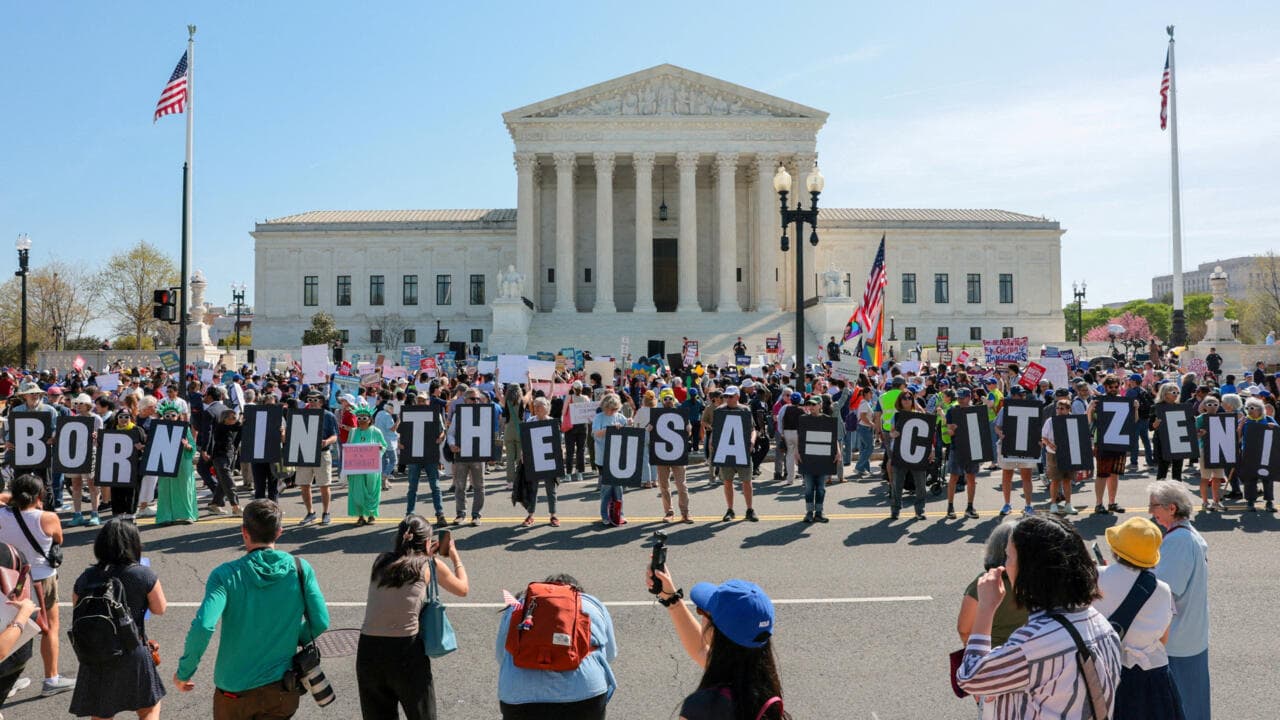
On June 30, 2026, the U.S. Supreme Court issued a 6-3 ruling upholding the constitutional right to birthright citizenship, denying President Donald Trump’s attempt to restrict this right for children born on U.S. soil. This decision is a significant setback for Trump, as it invalidates one of the central pillars of his anti-immigration policies, which he sought to implement through an executive order shortly after taking office.
In response to the ruling, Trump criticized the decision as "bad" and called on Congress to take legislative action to abolish birthright citizenship, often referred to as the "right of the soil." His administration had argued that limits on citizenship could discourage illegal immigration and reflect the views of many among his supporters who staunchly advocate for stricter immigration controls.
Justice Clarence Thomas, Justice Samuel Alito, and Justice Neil Gorsuch dissented from the majority ruling, highlighting the division within the court on this contentious issue. Civil rights groups welcomed the ruling, viewing it as a preservation of the established rights as defined in the 14th Amendment of the U.S. Constitution. The decision marks a pivotal moment in the ongoing debate over immigration policy in the United States.
 Skip to content
Comments · 0 (subscribers)
Sign in to join the discussion.
No comments yet. Be the first to join the discussion.