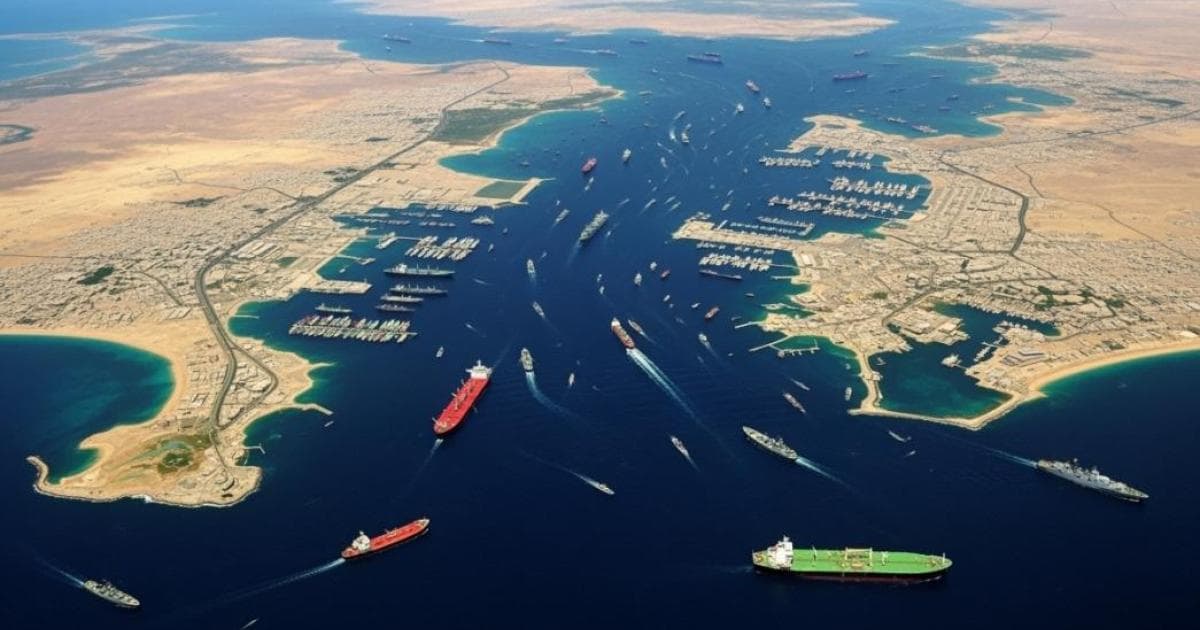
Tensions in the Middle East have escalated significantly due to a series of recent military exchanges between the United States and Iran. On July 14, the U.S. launched airstrikes targeting Iranian facilities, marking the third consecutive night of bombardment. These strikes were reportedly aimed at countering Iranian activities that the U.S. perceives as threatening to maritime navigation in the Strait of Hormuz. Following the attacks, Iranian forces retaliated by launching missiles that struck two oil tankers in the Strait, resulting in one crew member's death and injuries to eight others.
Reports indicated that these assaults have led to rising casualties, with eight dead from the U.S. bombings, according to some sources. Iranian officials stated that the U.S. strikes involved significant military installations within Iran, while U.S. officials, including President Trump, warned that further actions against Iran would be met with severe responses. The situation has prompted concerns about a potential blockade in the Strait of Hormuz, a vital maritime route for global oil supply, potentially leading to further economic repercussions and increased oil prices in the international market.
As the conflict continues, the international community remains watchful, assessing the implications for regional stability and global energy security.
 Skip to content
Comments · 0 (subscribers)
Sign in to join the discussion.
No comments yet. Be the first to join the discussion.