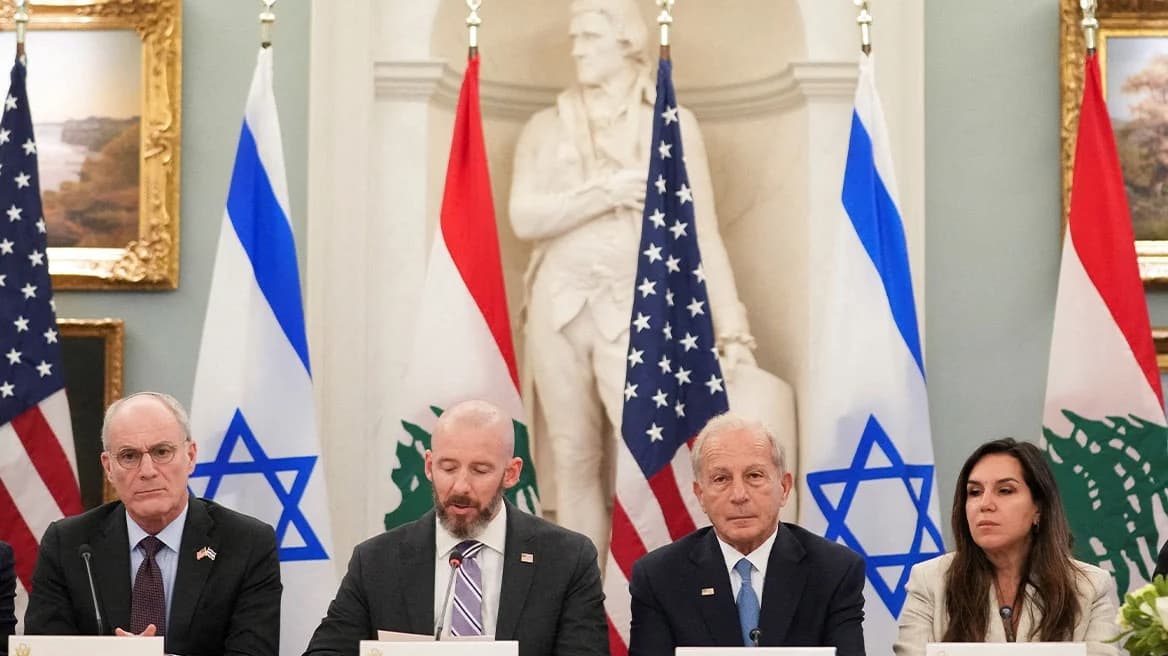
Israel and Lebanon signed a framework agreement aimed at establishing a ceasefire and promoting long-term peace during a ceremony held at the U.S. Department of State in Washington, D.C. on June 26, 2026. The agreement was facilitated by U.S. Secretary of State Marco Rubio, who attended the signing alongside representatives from both countries, including Lebanon's ambassador to the United States, Nada Mowad. This agreement is seen as a critical step toward stabilizing the region and mitigating ongoing conflicts.
Despite the signing, Hezbollah, a powerful political and military group in Lebanon, has rejected the agreement and threatened potential internal conflict within the country. This development raises concerns about the agreement's effectiveness, given the group's significant influence and its history of conflict with Israel. Previous ceasefires between Israel and Hezbollah have often resulted in renewed cross-border hostilities, underscoring the challenges that remain.
The Italian government expressed satisfaction with the agreement, highlighting its importance in fostering dialogue and stability in the Middle East. While this ceasefire initiative may pave the way for further negotiations, the path ahead is expected to be complex, with various factors influencing the outcomes in both Israel and Lebanon.
 Skip to content
Comments · 0 (subscribers)
Sign in to join the discussion.
No comments yet. Be the first to join the discussion.